


 Back
Back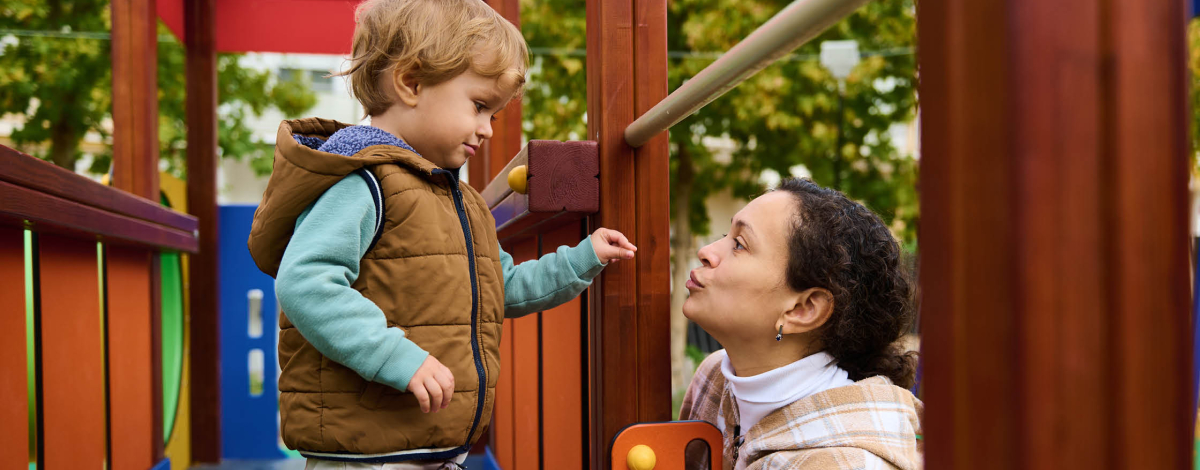
Creating Safer Communities
by Bracha Jakofsky, LCSW, Abuse Prevention Coordinator
“A kid’s job is to be a kid. It’s an adult’s job to keep them safe.” – Alison Feigh, Director of Jacob Wetterling Resource Center
We all have a shared responsibility to protect children from harm, and each of us, regardless of our familial, social, communal, or professional role, can contribute to the overall safety of children. Creating safer communities begins with understanding what children need from the adults around them. Dan Siegel and Tina Bryson developed a framework about cultivating environments where children feel safe, seen, soothed, and secure. With this in mind, we, as adults, can do our part in keeping children safe.
Safe – Physical and Emotional Safety
Children need to be safe and feel safe in all the spaces where they live, learn and play. This starts with physical safety: protecting children from harm and ensuring that adults are not the source of that harm. It includes meeting physical needs and providing practical protection through seatbelts, helmets, and appropriate supervision. Children should also feel secure in their environments, with a sense that adults around them will respond if something is wrong.
Emotional safety is equally important. Children should be able to trust that adults will not humiliate, berate, or frighten them. Using open body language, a calm, gentle tone of voice, and relaxed facial expressions communicates safety, creating a warm, welcoming, non-judgmental space where a child feels comfortable being themselves, making mistakes, and asking for help. When adults respond with patience and affirmation—even when a child is struggling—they reinforce the message: You are safe with me.
No adult is perfect. Sometimes we make mistakes or react in frustration. What matters is repair—taking accountability and restoring a sense of safety. When adults acknowledge mistakes and seek to rebuild trust, children learn that relationships can remain safe even after conflict.
Seen – Voice, Dignity, and Recognition
Children also need to feel seen and heard. When a child shares an experience or feeling, they need to know that it will not be dismissed or ignored. Listening carefully communicates respect and acknowledges that a child’s experiences matter. Sometimes this happens through simple, open-ended questions like What’s one story from school today? What’s something you heard or learned today?
For young children, school and home are the center of their universe. When adults show genuine curiosity about those experiences, children feel valued. Taking even five minutes of undivided attention can change how a child feels about themselves and their relationship with an adult. Research shows that even one trusted adult can have a profound impact on a child’s life, especially for someone experiencing abuse or hardship. When adults care about what children care about, the child feels seen and is more likely to come forward if concerns arise.
Soothed – Emotional Support and Co-Regulation
Once safety and trust are established, children can better process emotions. Children often experience big feelings and may not yet have the tools to manage them; adults can help regulate and calm their nervous systems through co-regulation.
A soothing adult helps a child move through difficult feelings rather than dismissing them. This may mean sitting with a child who is upset, acknowledging their emotions, and helping them find words for what they are experiencing. Over time, these supportive interactions teach children how to calm themselves and cope with challenges.
Adults also need to be mindful of their own emotional state. When overwhelmed, it can be difficult to respond thoughtfully to a child’s needs. Taking a moment to regulate ourselves first—so we can return calm and attentive—helps ensure children are supported rather than burdened by adult emotions.
Secure – Consistency, Trust, and Predictability
Security is established when children experience reliability, consistency, and predictability. When children trust that adults will respond to their needs, they begin to feel secure both in themselves and in their environments.
This sense of security extends beyond individual relationships. Children also need systems that support their safety, such as schools, synagogues, and community organizations that have clear policies and reliable responses when concerns arise.
Children should have multiple adults and institutions they can turn to if they need help. Communities that take safety seriously—through proactive safety policies, education, and accountability—create the foundation children need to feel secure, knowing that their wellbeing is prioritized.
Creating safer communities isn’t about being perfect. It’s about being intentional. When adults build trust, listen carefully, and respond with care, we do more than reduce risk. We create environments where children know they matter and can count on being protected every day.
JCFS provides education for parents, lay leaders, and professionals to help strengthen safer communities. Contact us to learn more about training for your community, or explore our Community Outreach pages to learn more about our work creating safer environments for children.