Children

5 Things to Help Toddlers and Preschoolers Develop Language

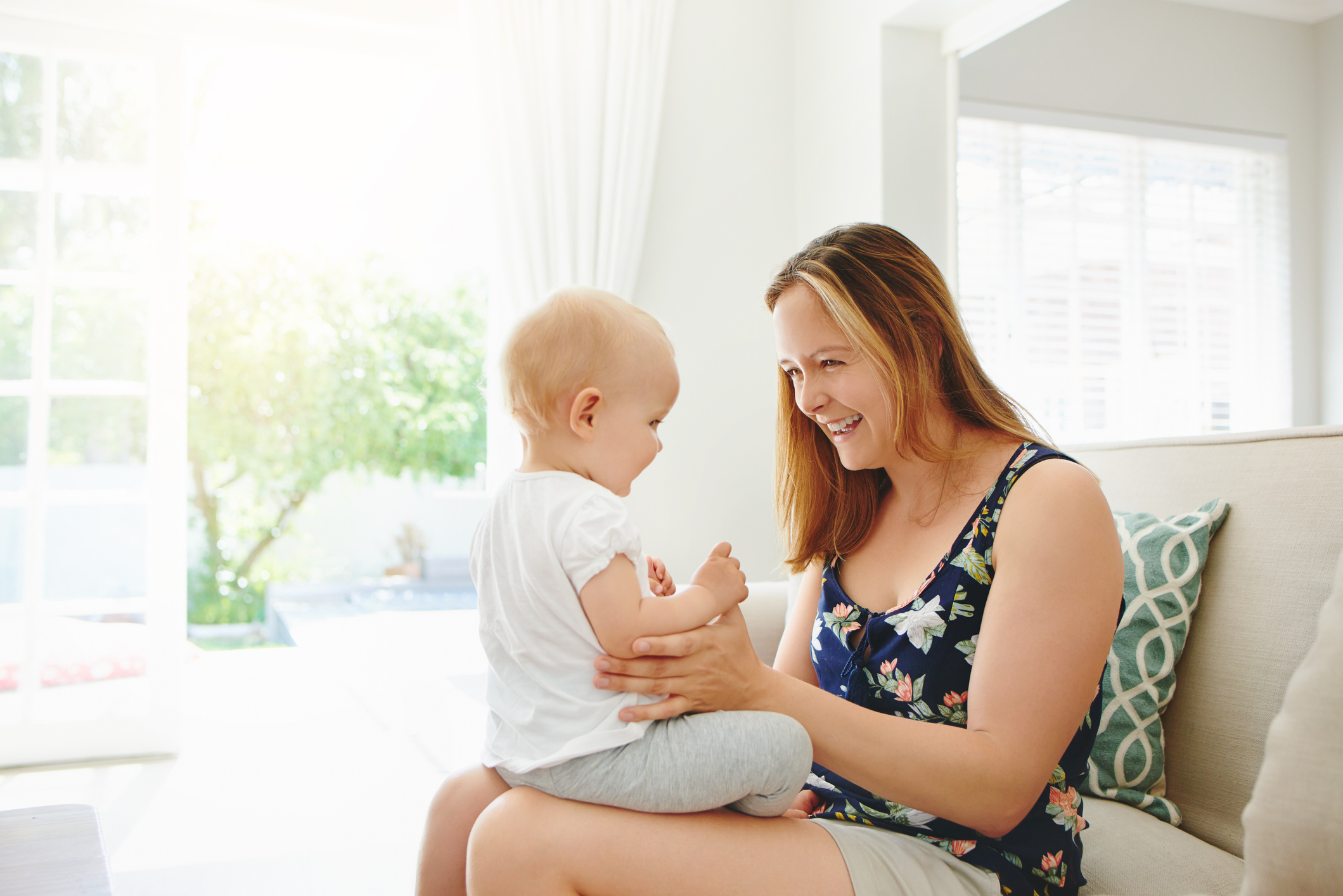
A study from the University of Washington’s Institute for Learning & Brain Sciences (I-LABS) in Seattle said that babies as young as seven months old are mentally working out the mechanics of how to form words with their mouths; the New York Times ran an article emphasizing the importance of the quality of words spoken to children , beyond just the quantity of words.  And, NPR’s Science Friday  interviewed Fred Genesee of McGill University in Montreal, about his study that suggested that “early impressions of language are much more durable than scientists predicted.”

Read more

Connections: Relationships Rule in a New Manual for Early Childhood Professionals

Connections: A Relationship-Based Phase Model is a just-published manual for early childhood professionals—those who run preschools, Head Start programs and other activities for pre-schoolers  aged 2‒6 years old—promoting social and emotional health in young children.

The book is a product of the Virginia Frank Child Development Center (VFCDC) , a program of JCFS Chicago that operates a therapeutic preschool, trains early childhood professionals and consults with schools and organizations that engage pre-schoolers. All of its authors—Joni Crounse, MA, M.Ed, Kathy Ham, LCSW, Joanne Kestenbaum, LCSW, Wendy Guyer, MA, LCSW, Linnet Mendez, LCPC and Laura Sheridan, MA, LCSW—work at the Center and helped to develop the “relationship based phase model.”

Read more

More than Baby Talk: Talking to Baby Helps with Brain Development

According to a recent study by the University of Washington’s Institute for Learning & Brain Sciences (I-LABS) in Seattle, babies as young as seven months old are mentally working out the mechanics of how to form words with their mouths — well before they’re able to utter their first recognizable syllable. And, as ABC News reports,  that means speaking “parentese” to your baby can help with brain development.

Read more

Body Image – 5 Ways to Strengthen How Your Kids View Themselves

By Ann Luban, Community Services Program Specialist

Body image isn’t the shape of our bodies; it’s how we view our bodies.  And negative body image can affect kids as young as four or five years old.  Parents and other adults play a central role in how kids of all ages view their bodies and view themselves overall.   It is critical that we act intentionally to support them in their development.

Read more

Mental Health Therapy for Children? Why?

By Lindsay Hardy, M. A.

Life in general presents us with ongoing challenges, many of which we feel unprepared to handle- parenting, divorce, interpersonal issues, etc.. At times, we need outside support to help us make sense of the challenges we face.  And so do children.  Pursuing counseling for a child, either as a primary service or an addition to current services, can foster positive change on a number of levels. It probably looks much different than you think.  However, knowing when a child might need this type of help can be challenging.

Read more

Ask A Clinician: Tips for Traveling with a Child

Q: We are planning an upcoming trip to see Grandma and Grandpa, but are nervous about traveling with our child who has autism. Do you have any suggestions to help?

A: A vacation or a trip can be an exciting adventure, but sometimes, getting there is the hardest part. When traveling with a child with autism, one of the best things you can do is have a plan.

Traveling can be a stressful experience on anyone.

Read more

Fairness: What Does it Really Mean?

By Debra Cardash

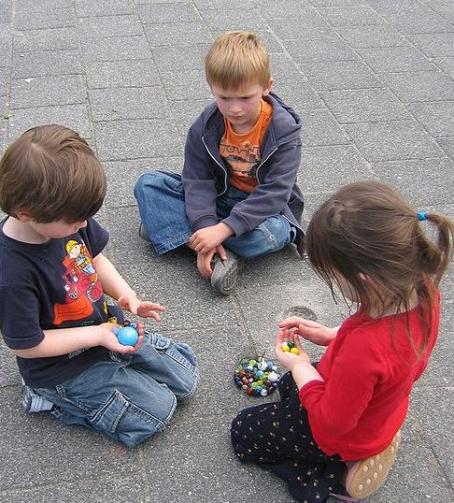
“It’s not fair!”  If we had a dollar for every time a child said this phrase, we would all be millionaires.  A working definition of fairness and clear steps to achieve fairness will foster our children’s growth – so this article will focus on how to define fairness, conceive of ownership, distinguish “nice” from “fair” and achieve fair outcomes.

Read more